
Search for a glamping structure and three names keep coming up: the yurt tent, the canvas tent and the tipi. All three are made from fabric, all three feel worlds away from a hotel room, and all three can anchor a backyard retreat or a full glamping resort. But they are built around very different ideas about how long a shelter should stay up, how it handles weather and how guests will actually use it. Secret Creek has handcrafted yurts, tipis and canvas tents since 1976, so we build all three and have no reason to push you toward one. This guide compares tents and yurts and tipis side by side so you can choose the structure that fits your land, your climate and your plans.
The Short Answer
- Choose a yurt if you want a semi-permanent, four-season structure that can be insulated, heated and furnished like a small cabin. It is the strongest choice for year-round living, long-stay rentals and glamping units that need to earn revenue in every season.
- Choose a canvas tent if you want classic rectangular living space, straight walls you can furnish right to the edges, and a structure that suits hunting camps, outfitter operations and safari-style glamping.
- Choose a tipi if you want the most iconic, closest-to-nature experience, built around an open fire, for warm-season stays, events and gatherings.
The rest of this guide explains why, and how to match each structure to the way you plan to use it.
What Is a Yurt Tent?
"Yurt tent" is a common search term, but a modern yurt is closer to a small round building than a tent. The design is more than three thousand years old, developed by nomadic peoples on the windswept steppes of Central Asia. A Secret Creek yurt starts with a solid wood framework of lattice walls, roof rafters, a top ring and a door frame, and is wrapped in canvas roof and wall covers. It goes up on a platform and is engineered to stay up year-round.
Yurt Sizes and What a Kit Includes
Our complete yurt kits come in six diameters: 12' (113 sq ft), 16' (201 sq ft), 20' (314 sq ft), 24' (452 sq ft), 27' (573 sq ft) and 30' (706 sq ft). Every kit includes the lattice wall sections, roof rafters and top ring, canvas roof and wall covers, and a door frame and door. Kits from 20' up add a dome skylight, and kits from 24' up include a snow and wind kit. If you would rather pick every feature à la carte, our custom yurts let you choose size, fabric, windows, doors and interior options.
Where a Glamping Yurt Shines
Of the three structures, the yurt is the most watertight and the easiest to heat and cool. With insulated covers, a proper door and a wood stove vented through a stove jack, a yurt stays comfortable well into winter. That is why the glamping yurt has become a staple for resorts, campgrounds and vacation rentals that want guests booking in every season, and why so many owners use yurts as guest houses, studios and full-time homes. For a deeper look at the structure itself, read What Is a Yurt?
What Is a Canvas Tent?
When people say "canvas tent," they usually mean a wall tent: four vertical walls around a central ridgepole or a sturdy wooden frame, with a pitched roof that sheds rain and snow. Our Destination Tents are built from heavy-duty, marine-grade canvas, typically 10 to 12 oz, with reinforced seams, internal or external pole systems, and canvas treated for mildew resistance and breathability.
Platform Tents and Safari-Style Glamping
A canvas tent on a platform is one of the most versatile glamping structures you can buy. The platform lifts the tent off the ground, and an extended fly adds a covered front porch. Options such as mosquito netting and side windows let you open the tent to the breeze while keeping bugs out. We publish free tent deck plans in basic and extended versions for 12x14, 14x16 and 16x20 platforms.
For commercial hospitality, the Safari M.U.L.E. Tent™ (Multi-Use Luxury Enclosure) combines heavy-duty canvas, integrated flooring options and a design that maximizes interior space and natural light. It is built for year-round use and designed for operators and private owners who want a true luxury tent.
Where a Canvas Tent Shines
The canvas tent's biggest advantage is usable space. Straight walls mean cots, beds, tables, gear racks and a stove all fit without fighting a curved or sloping wall. That is why outfitters and hunting camps have relied on wall tents for generations, and why safari-style glamping sites use them for a rugged-but-refined feel. Our canvas wall tent guide covers frames and fabric in more detail, and canvas tents with a stove explains how to heat one safely.
What Is a Tipi?
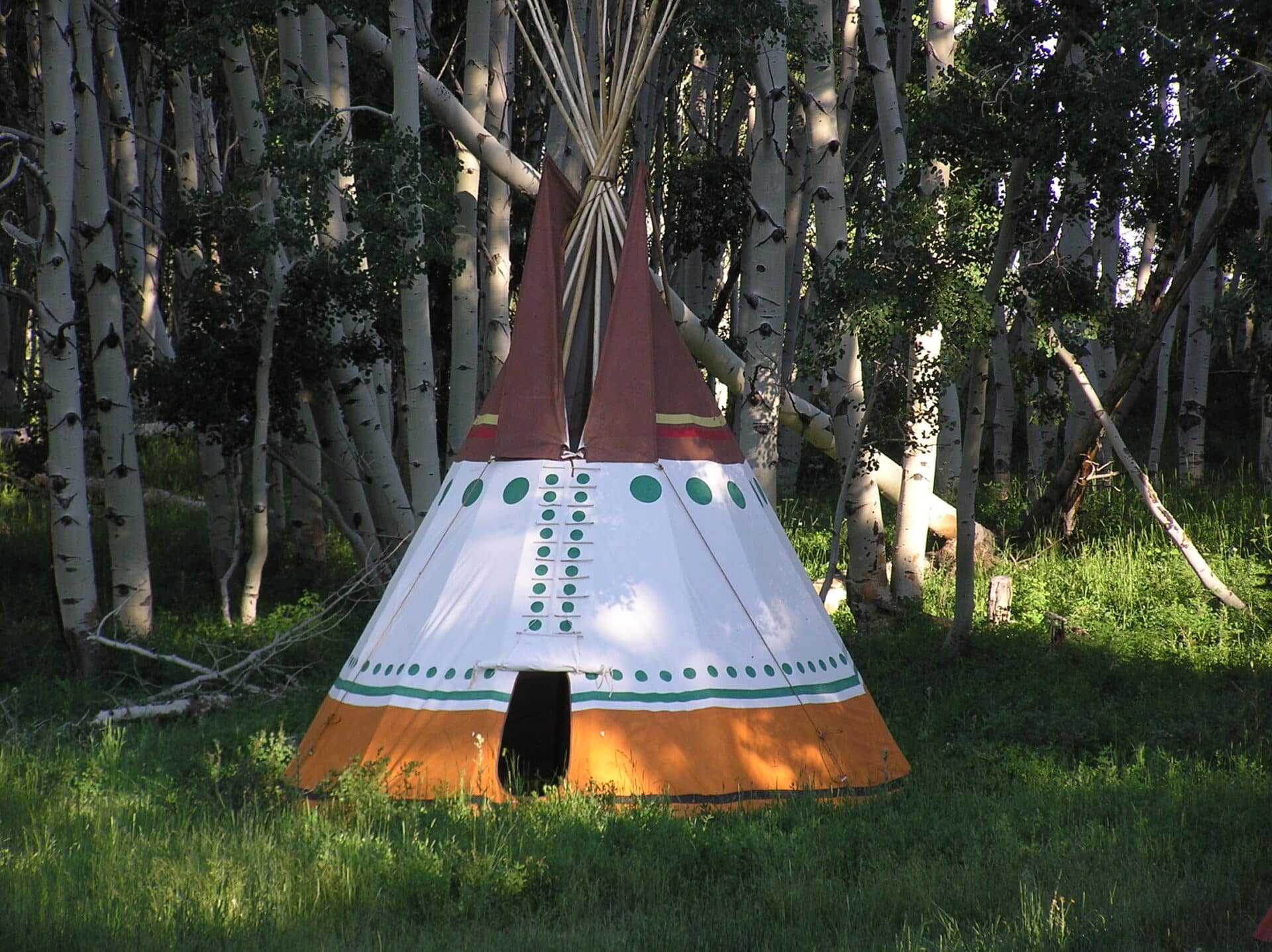
Our Earthworks Tipis are authentic Sioux-style tipis, inspired by the original designs of the Great Plains of North America and built with modern, high-quality canvas. A tipi is a cone of long poles wrapped in canvas, with smoke flaps at the top that can be adjusted to the wind. It is designed around a central open fire, and its shape lets it self-ventilate while still feeling warm and sheltered.
Tipi Sizes and Options
Earthworks Tipis come in nine sizes, with options that include liners and an ozan or extended ozan, which helps keep rain out of the living space below the smoke hole. Sizes run from a backyard family lodge to a spacious shelter for meetings, classes and gatherings. You can explore the full lineup on our tipis page or design one with the tipi builder.
Where a Tipi Shines
Nothing else feels like a tipi evening: a fire in the center, smoke rising through the open top and a ring of friends around the flames. A tipi is the closest-to-nature structure we make. It is ideal for event rentals, ceremonies, summer basecamps, backyard hideouts and glamping properties that want a fire-forward experience. The trade-off is weather. An authentic tipi always has an opening where the poles cross, and tipis are not rated for wind or snow loads, so in most places they work best as a three-season shelter.
Yurt Tent vs. Canvas Tent vs. Tipi: Side-by-Side Comparison
Permanence
A yurt is semi-permanent. It sits on a platform and is meant to stay up through every season. A canvas tent can be seasonal or long-term: hunting camps and outfitters often raise and strike wall tents each season, while platform tents and the Safari M.U.L.E. Tent™ can stay up for long stretches. A tipi is the most nomadic of the three, designed to be raised and taken down with the seasons.
Weather and Four-Season Use
For snow, wind and cold, the yurt is the clear leader, especially with a snow and wind kit. Canvas wall tents handle rain and snow well when the canvas is properly treated and tensioned, and a pitched roof sheds load better than a shallow slope. Tipis are the most exposed to the elements and are best suited to three-season use.
Heating
Yurts and canvas tents both take a wood stove through a stove jack, which is efficient and steady. A tipi is built around an open central fire. It is less efficient, but it is the heart of the experience.
Interior Space and Layout
A canvas tent gives you the most usable floor space for its footprint, thanks to vertical walls. A yurt gives you an open, round room with a high center and a skylight on larger sizes, which feels spacious and calm. A tipi's sloping walls make the outer ring best for seating and sleeping, with the center reserved for the fire.
Foundation
Yurts need a platform. Our yurt deck plans cover 16', 20', 24', 27' and 30' yurts. Canvas tents can go on a platform or the ground depending on use, and tipis are pitched on a level surface.
Which Glamping Structure Is Right for Your Project?
For a Year-Round Glamping Resort or Vacation Rental
Lead with yurts. A glamping yurt can be furnished with real beds, heating and a bathroom, so you can book it in every season. Many operators then add canvas tents or tipis as seasonal units that give guests a choice of experience. See how other operators approach it on our glamping resorts page and in our guide to designing a yurt glamping stay guests book twice.
For Hunting Camps and Outfitters
Choose a canvas wall tent. Straight walls, stove compatibility and heavy marine-grade canvas make it the workhorse for long seasons in remote country.
For Events, Gatherings and Retreats
Tipis make an unforgettable centerpiece, and larger tipi sizes can host meetings and classes. Pair them with a yurt as a year-round lodge or gathering space and you have a proven combination for retreat properties.
For a Backyard Guest House, Studio or Home
For a space you will use every week of the year, a yurt is the right choice. For a summer hideout or a place to gather around a fire, a tipi or a platform tent may be all you need.
Questions to Ask Before You Buy
- How many nights a year will it be used? If the answer is "most of them," start with a yurt.
- What weather will it face? Heavy snow and high wind point to a yurt with a snow and wind kit or a well-tensioned wall tent, not a tipi.
- Do you want an open fire inside? Only a tipi is designed for it.
- How will you furnish it? Rectangular furniture layouts favor a canvas tent, while a round, open room favors a yurt.
- What permits apply? Requirements vary by location and by how permanent the structure is, so check with your local building department early.
Still deciding? Compare two of the three in more depth with our tipi vs. yurt comparison and wall tent vs. bell tent guide, or read the yurt kit buyer's guide and how much a yurt costs.
Frequently Asked Questions
Is a yurt a tent?
A yurt is a fabric-covered structure, which is why many people call it a yurt tent, but a modern yurt has a rigid wood frame of lattice walls, rafters and a top ring, sits on a platform and is built to stay up year-round. It behaves more like a small round cabin than a camping tent.
Which is better for winter, a yurt, a canvas tent or a tipi?
A yurt is the best choice for winter, especially with insulated covers, a wood stove and a snow and wind kit. A canvas wall tent with a stove also handles cold weather well. Tipis are not rated for wind or snow loads and work best as a three-season shelter.
What is the best structure for a glamping business?
Many glamping businesses lead with yurts because they can be booked in every season, then add canvas tents or tipis for variety. The right mix depends on your climate, your season and the experience you want guests to have.
Can you have a fire inside a tipi?
Yes. A tipi is designed around a central open fire, with adjustable smoke flaps at the top to vent the smoke. Yurts and canvas tents use a wood stove with a stove jack instead.
What sizes do Secret Creek yurts, tents and tipis come in?
Secret Creek yurt kits come in 12', 16', 20', 24', 27' and 30' diameters, from 113 to 706 square feet. Earthworks Tipis come in nine sizes. For current canvas tent sizes and options, see our canvas tents page or talk to a Sales Guide.
Do yurts and canvas tents need a platform?
Yurts need a platform, and we publish free yurt deck plans. Canvas tents are often set on a platform for glamping and long-term use, and we publish tent deck plans for 12x14, 14x16 and 16x20 platforms.
Build the Right Structure for Your Land
Every Secret Creek yurt, canvas tent and tipi is handcrafted in the USA by the same team that has built fabric shelters since 1976. Explore yurts, canvas tents and Earthworks Tipis, price your structure with the yurt builder, tent builder or tipi builder, or request a consultation with a Sales Guide who can help you match the structure to your site, climate and goals.