
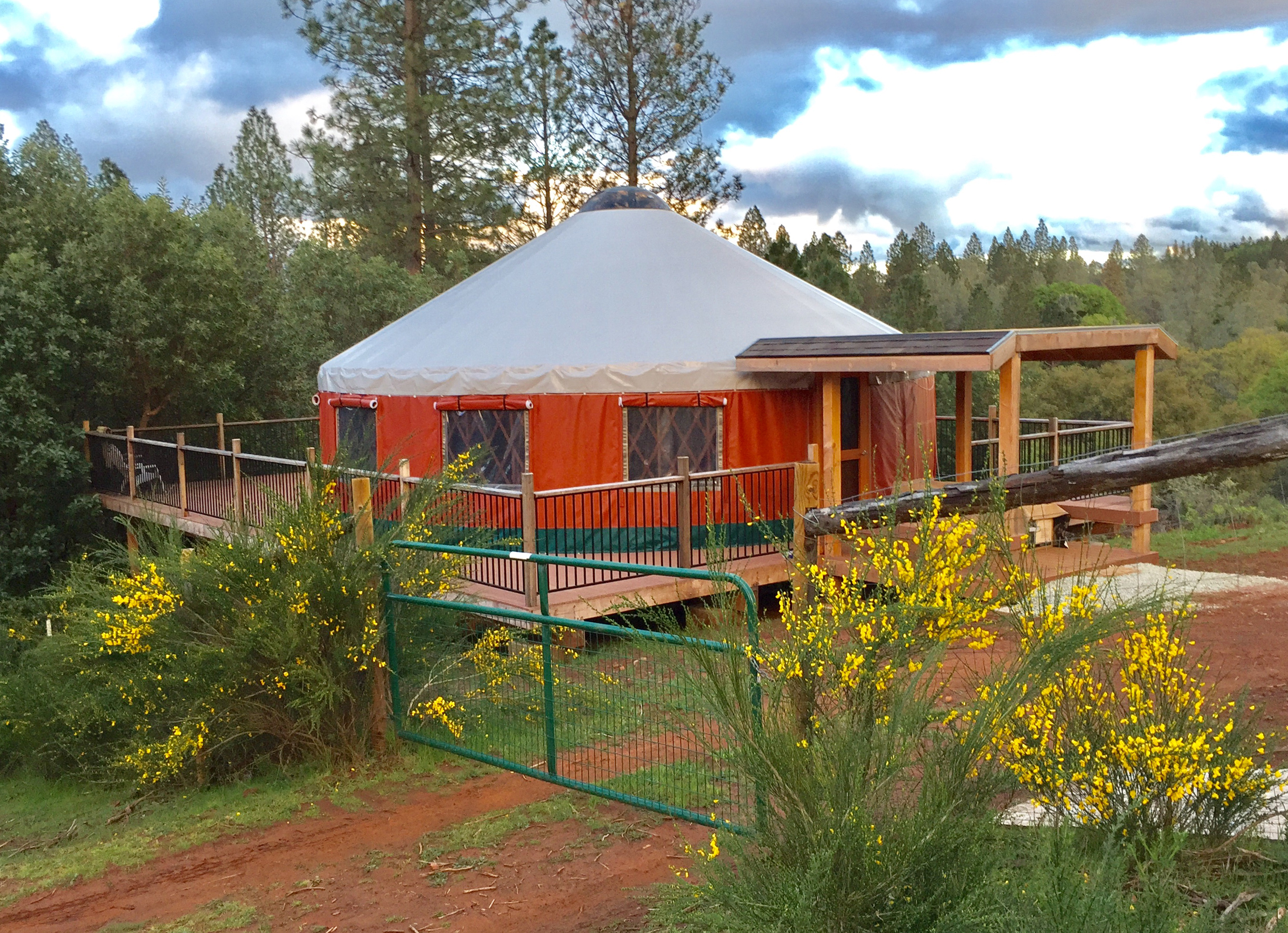
Quick answer: Yes, you can live in a yurt full-time. A yurt home is a permanent yurt set on a wood or insulated platform, with insulation, a heat source, real windows and doors, and plumbing and electrical planned in. Most full-time yurt homes are 24' to 30' in diameter (452 to 706 sq ft). Secret Creek yurts start at $17,240 for a 24' and $21,620 for a 30', before the platform, utilities and interior finishes.
Yurt homes appeal to people who want a simpler, lower-cost house that keeps them close to nature. This guide covers what a yurt house is, which size works for full-time living, what makes a yurt permanent, permits, costs, and the honest pros and cons.
What is a yurt home?
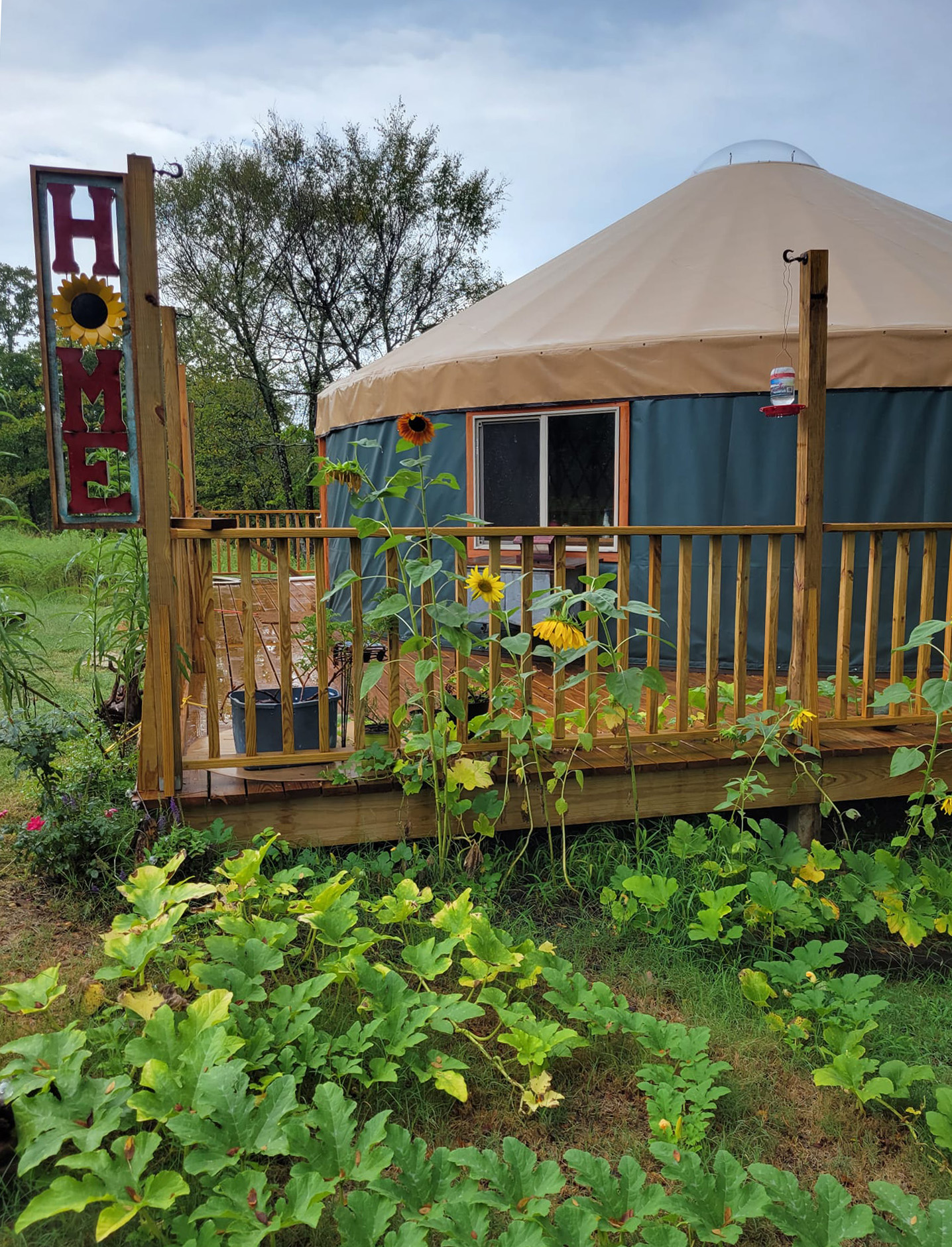
Definition: yurt home. A yurt home (or yurt house) is a round, fabric-covered structure with a wood lattice wall, radiating roof rafters and a central skylight dome, set up permanently as a primary or secondary residence. It sits on a built platform and has the comforts of a small house.
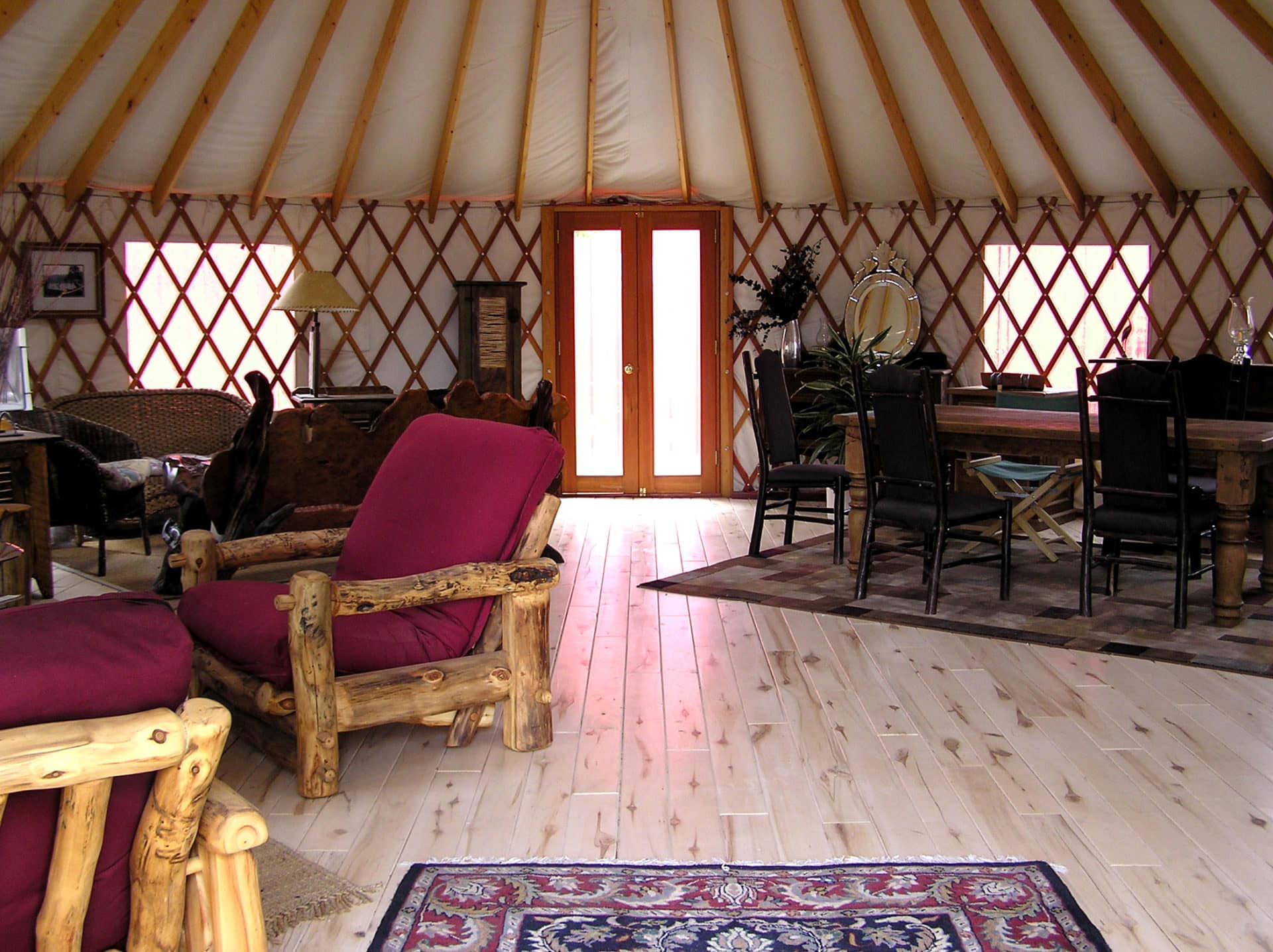
A modern yurt is not a camping tent. Secret Creek builds its frames from wood lattice walls, engineered rafters and a hand-crafted compression ring, with architectural fabric covers. The round shape needs no interior posts, so the whole floor is open for you to lay out like a small home.
Can you live in a yurt full-time?
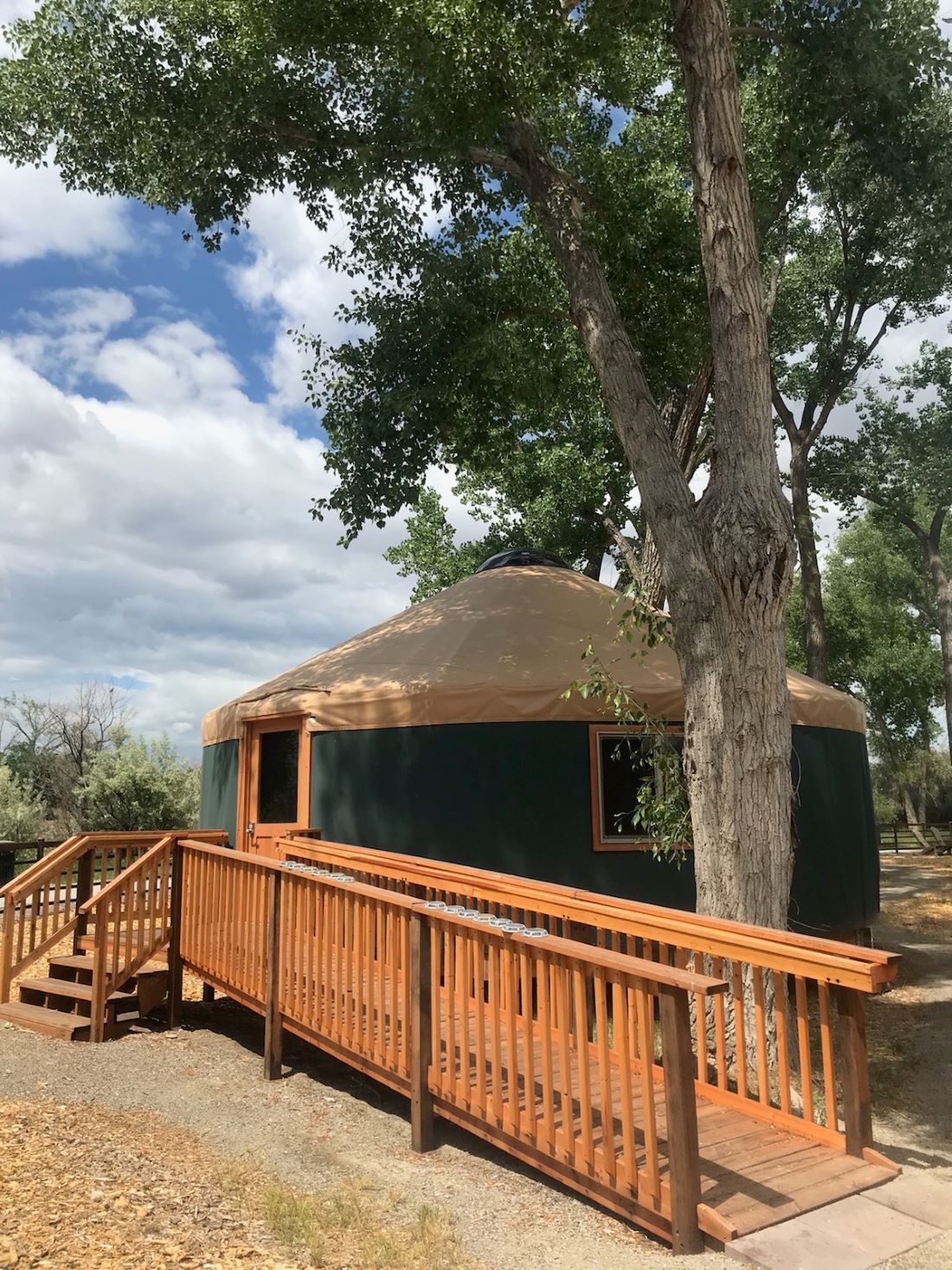
Yes. Many Secret Creek customers use their yurts as full-time residences. With proper insulation and heating and cooling, a yurt can be comfortable in all seasons.
People choose yurt living for a few common reasons:
- Lower cost. A yurt home typically costs a fraction of a conventionally built house.
- A simpler life. One open, round room encourages you to keep only what you use.
- Connection to nature. The dome and fabric walls bring in daylight and the sounds of rain and wind.
- Flexibility. Many owners live in a yurt while building a house, then keep it as a guest house or studio.
What size yurt do you need to live in?
For one or two people living full-time, a 24' yurt is the usual starting point. Families, or anyone who wants a separate bedroom, bathroom and kitchen, usually choose a 27' or 30'.
| Diameter | Floor area | Best for as a home | Starting price |
|---|---|---|---|
| 20' | 314 sq ft | Minimalist single or couple, or a guest yurt | $15,195 |
| 24' | 452 sq ft | Full-time residence for one or two people | $17,240 |
| 27' | 573 sq ft | Couples or small families with a bedroom and bath | $19,575 |
| 30' | 706 sq ft | Families and the most open floor plan | $21,620 |
Starting prices are base yurt prices from the Secret Creek yurt builder. They don't include tax, shipping or installation. Smaller 12' (113 sq ft) and 16' (201 sq ft) yurts work well as offices, studios and guest spaces next to a yurt home. See every size in our yurt sizes guide.
What makes a yurt a permanent home?
The same yurt frame can be a seasonal retreat or a four-season house. The difference is in the options and the site work. Here's what a permanent yurt home typically includes:
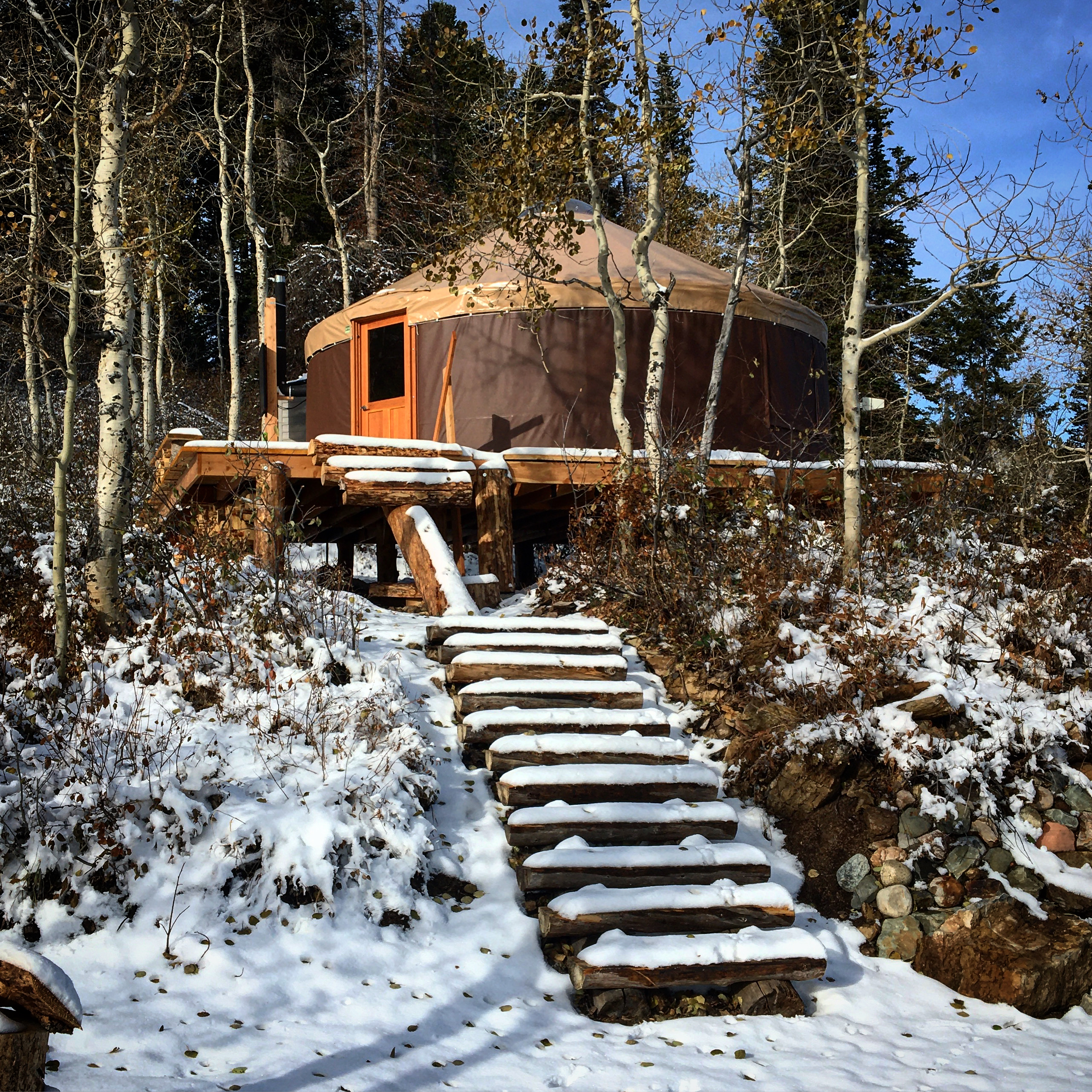
- A solid platform. A yurt sits on a raised wood deck, a concrete slab or structural insulated panels (SIPs). Secret Creek offers free yurt deck plans for 16' to 30' yurts, and R-23 SIPs pre-cut to the yurt's diameter.
- An engineered load package. The Big Wind package adds 2×4 studs under each rafter. The Full Snow & Wind package adds those studs plus 2×6 engineered rafters for heavy snow.
- Insulation. The base EcoFoil kit blocks up to 96% of radiant heat. The upgraded Prodex kit adds R-22 walls and an R-44 roof and helps meet many energy code requirements.
- A heat source. A stovepipe outlet with an insulated flashing kit lets you vent a wood or gas stove. Follow the stove maker's clearance requirements.
- Real windows and doors. Choose from sliding glass windows, French doors (on 20' and larger yurts) and a Douglas fir casement window big enough to meet code requirements for egress.
- Utilities. Plan plumbing and electrical with local contractors before the platform is built, since water, drain and power lines usually come up through the floor.
For a closer look at bathrooms, kitchens and heating, read Inside a Yurt: Interiors, Bathrooms, Kitchens & Heat.
Do you need a permit to live in a yurt?
Usually, yes, though rules depend on where you build. Permit requirements are set by your county, city or state, and sometimes your HOA. Check with your local building department early, before you buy.
Questions to ask your building department:
- Is a yurt allowed as a primary residence, an accessory dwelling or only a seasonal structure on this property?
- What snow and wind loads must the structure meet?
- Which energy code applies, and will insulation values be reviewed?
- What's required for septic, well or water hookups, and for electrical?
- Are egress windows and smoke detectors required in sleeping areas?
Secret Creek's Sales Guides can provide documentation, including engineering that certifies a yurt's snow and wind load, to support your permit application. Some jurisdictions may still ask for a variance on energy code, so ask early.
How much does a yurt home cost?
The yurt itself is only part of the budget. Plan for these line items:
- The yurt: starting at $17,240 (24'), $19,575 (27') and $21,620 (30'), before options.
- Four-season options: insulation, a snow and wind load package, upgraded windows and doors, and a stovepipe outlet.
- Platform: a wood deck you build from our plans, a concrete slab or SIPs.
- Site work and utilities: access, water, septic, power and plumbing, sourced locally.
- Interior: partition walls, kitchen, bathroom fixtures and furniture.
- Delivery and setup: shipping, plus installation if you don't assemble it yourself.
Get a full breakdown in How Much Does a Yurt Cost?, and see financing options if you'd like to spread out the cost.
Pros and cons of living in a yurt
| Pros | Cons |
|---|---|
| Lower cost than a conventional house | Permitting can take extra research |
| Open floor plan with no interior posts | Round walls make built-in furniture trickier |
| Abundant daylight from the dome | Fabric walls let in more sound than framed walls |
| Owner assembly in 1 to 3 days with a small crew | Fabric covers need periodic care and eventual replacement |
| A frame that can last for decades | Less storage than a house of similar size |
On durability: Secret Creek's first yurt, built more than 40 years ago, is still standing today on its third set of covers.
How do I plan a yurt home?
- Check zoning and permits. Confirm a yurt is allowed as a residence on your land.
- Pick your size. Match the diameter to your household and floor plan.
- Choose four-season options. Select insulation, a load package, windows, doors and a heat source for your climate.
- Plan the platform and utilities. Use our deck plans and bring in local contractors for plumbing and electrical.
- Configure and price your yurt. Use the yurt builder or start from a complete yurt kit.
- Raise it. Follow our yurt pitching and setup guide, with phone and video support from our team.
Frequently Asked Questions
Can you legally live in a yurt?
In many places, yes. Rules vary by county, city, state and HOA, so check with your local building department before you buy. Secret Creek can provide engineering and documentation for your permit application.
What size yurt is best to live in?
A 24' yurt (452 sq ft) suits one or two people full-time. A 27' (573 sq ft) or 30' (706 sq ft) yurt gives families room for a separate bedroom, bathroom and kitchen.
Are yurts warm enough to live in during winter?
Yes, when they're set up for it. Pair Prodex insulation (R-22 walls, R-44 roof) with an insulated platform, a snow and wind load package and a wood or gas stove.
Can a yurt home have a bathroom and kitchen?
Yes. Plumbing comes up through the platform, and partition walls enclose the bathroom. Many yurt homes have a full kitchen and a full bathroom.
How long does a yurt home last?
With proper care, a Secret Creek yurt can last for decades. The wood frame is built to last, and the fabric covers can be replaced over time.
How long does it take to set up a yurt home?
Most Secret Creek yurts can be assembled in 1 to 3 days by a small crew using the installation guide. Platform and utility work happen before that and depend on your site.
Next Steps
Ready to plan your yurt home? Price your size and options in the yurt builder, read more answers in our yurt FAQs, or request a consultation with a Sales Guide at 970.240.2111. Secret Creek has handcrafted yurts, tipis and canvas tents since 1976.