
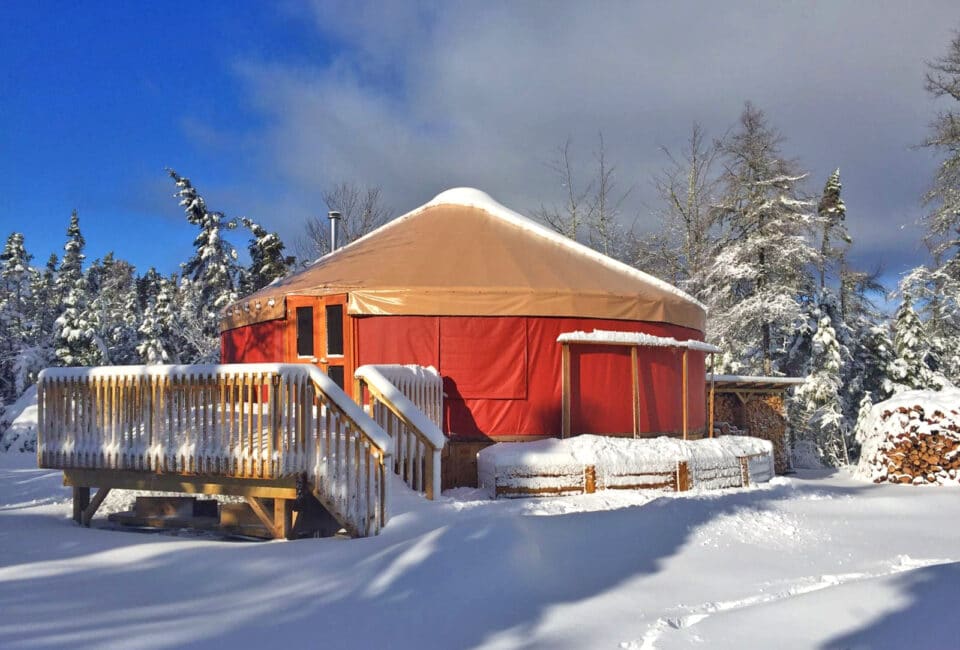
Quick answer: A yurt is not insulated by default; the fabric cover is a weather shell, and insulation is a separate layer installed between the liner and the outer roof and wall covers. A well-insulated yurt treats the building as one system: roof, walls, floor, dome and windows. Secret Creek offers two insulation kits: a base EcoFoil reflective kit that blocks up to 96% of radiant heat, and an upgraded Prodex kit rated R-22 for walls and R-44 for the roof, which helps meet many energy-code requirements. Pair either kit with an insulated platform, such as R-23 SIPs, plus a dome insulation cover and the right heat source, and a yurt can be comfortable in every season.
People searching "insulated yurt," "yurt insulation" or "are yurts insulated" usually want to know two things: will a fabric structure actually stay warm, and what does insulation cost? Most short answers stop at "yes, add insulation." This guide goes further. It explains how heat leaves a yurt, compares reflective and upgraded insulation, covers the floor and dome (the two places people forget), lists current kit pricing by size, and ends with a checklist for planning a four-season yurt. If you want a product-level comparison of the two insulation materials, see Ecofoil vs. Prodex: Extend Your Season.
Are yurts insulated?
Not automatically. A yurt kit is the structure: lattice wall, rafters, top ring, fabric roof and wall covers, a door and a dome skylight. On its own, the architectural fabric sheds rain, wind and snow, but it holds very little heat. Insulation is an added layer that sits inside the outer covers. It is fitted to the roof cone and to the lattice wall, so it moves heat the same way the rest of the yurt does.
That is why "insulated yurt" really means a yurt that has been ordered with an insulation package. At Secret Creek, our standard in-stock yurt packages ship with EcoFoil roof and wall insulation, and the Yurt Builder lets you upgrade to Prodex or remove insulation for warm-season or summer-only use. For a full breakdown of what is in the crate, see Yurt Kits Explained.
How does heat escape from a yurt?
To insulate a yurt well, it helps to know where the heat goes. A round fabric building loses heat in three ways:
- Radiant heat. A stove or warm body radiates heat toward the cooler roof and walls. Reflective insulation is designed to bounce much of that radiant energy back into the room.
- Conduction. Heat moves through the fabric, the floor and window glazing. Thicker, foam-backed insulation and an insulated platform slow this down.
- Air leakage and rising heat. Warm air rises to the center dome and escapes through gaps at doors, windows and the stovepipe. A dome cover, good seals and a properly pitched, tensioned yurt reduce these losses.
Because warm air collects at the peak, the roof and dome usually matter most. The floor comes second, especially on a raised deck exposed to cold air underneath. The walls come third. A plan that upgrades only the walls leaves most of the heat loss untouched.
What are the yurt insulation options?
Secret Creek offers two roof-and-wall insulation kits. Both install between the interior liner and the exterior covers and are cut to the diameter of your yurt.
| Option | How it works | Best for |
|---|---|---|
| Base Insulation Kit (EcoFoil) | Single-bubble reflective insulation that blocks up to 96% of radiant heat | Three-season use, mild winters, glamping rentals, shade and summer comfort |
| Upgraded Insulation Kit (Prodex) | Reflective faces bonded to closed-cell foam; rated R-22 walls and R-44 roof | Full-time living, cold climates, projects that must meet energy-code requirements |
| No insulation | Exterior roof and wall fabric only | Summer-only camps, event and shade structures |
Base EcoFoil kit. Reflective insulation is light, flexible and suits a structure that flexes with wind and snow loads. It reflects radiant heat back toward you in winter and helps keep solar heat out in summer, which makes it a strong all-around choice for rentals and seasonal homes.
Upgraded Prodex kit. Prodex adds a closed-cell foam core to the reflective surface, so it resists heat moving through the material as well as radiant heat. It is the choice for full-time residents, cold winters and jurisdictions that ask for documented insulation values. Ratings for reflective and foam-reflective products are based on how they are installed, so share the product details with your building department early if your project needs energy-code approval.
What does R-value mean in a fabric yurt?
R-value measures resistance to heat moving through a material; the higher the number, the slower heat passes through. In a framed house, R-value describes batts or foam packed between studs. A yurt is different. It has no wall cavity, much of its heat loss is radiant, and the roof matters more than the walls. That's why both radiant performance and R-value belong in the conversation:
- Radiant performance (how much heat is reflected) is the key metric for reflective products like EcoFoil.
- R-value is the key metric when a building official needs a number. Prodex's R-22 wall and R-44 roof ratings make it the better fit when code compliance is part of the project.
- The whole system matters more than any single number: floor, dome, windows, door seals and heat source all affect real comfort.
How much does yurt insulation cost?
Insulation is priced by diameter because larger yurts need more roof and wall coverage. Here is current Yurt Builder pricing for each kit size, along with the insulated SIPs platform option. Prices change, so confirm with the Yurt Builder or a Sales Guide.
| Diameter | Floor area | EcoFoil kit | Prodex kit | SIPs platform (R-23) |
|---|---|---|---|---|
| 12' | 113 sq ft | $1,385 | $2,515 | $2,750 |
| 16' | 201 sq ft | $1,840 | $3,130 | $5,620 |
| 20' | 314 sq ft | $2,365 | $3,980 | $7,305 |
| 24' | 452 sq ft | $3,090 | $5,420 | $9,550 |
| 27' | 573 sq ft | $3,660 | $6,625 | $12,360 |
| 30' | 706 sq ft | $4,210 | $8,180 | $14,610 |
Complete Secret Creek kits start at $7,200 for the 12' and $21,620 for the 30'. For the full budget, including platform, delivery and finish work, see How Much Does a Yurt Cost.
How do you insulate a yurt floor?
A yurt usually sits on a raised wood platform, so cold air can move freely underneath it. An uninsulated deck can feel cold underfoot even when the roof is well insulated. You have three main paths:
- Structural Insulated Panels (SIPs). Engineered, energy-efficient R-23 panels are pre-cut to the exact diameter of the yurt. They give you an insulated floor and a finished platform surface in one system. See Yurt Nerds: SIPs Decks.
- Insulated framed deck. Build a conventional joist platform from our free yurt deck plans, insulate between the joists, and close the underside so the insulation stays dry and protected from pests.
- Fiber insulated deck (12' only). For the 12' yurt, Secret Creek offers an in-house insulated platform as a cost-saving option.
Whichever you choose, plan any water and drain lines that pass through the floor before you build the deck, and protect them from freezing. Skirting the space under the platform also cuts wind-driven heat loss.
Do windows, doors and the dome affect insulation?
Yes. Openings are where comfort is won or lost, especially at the peak.
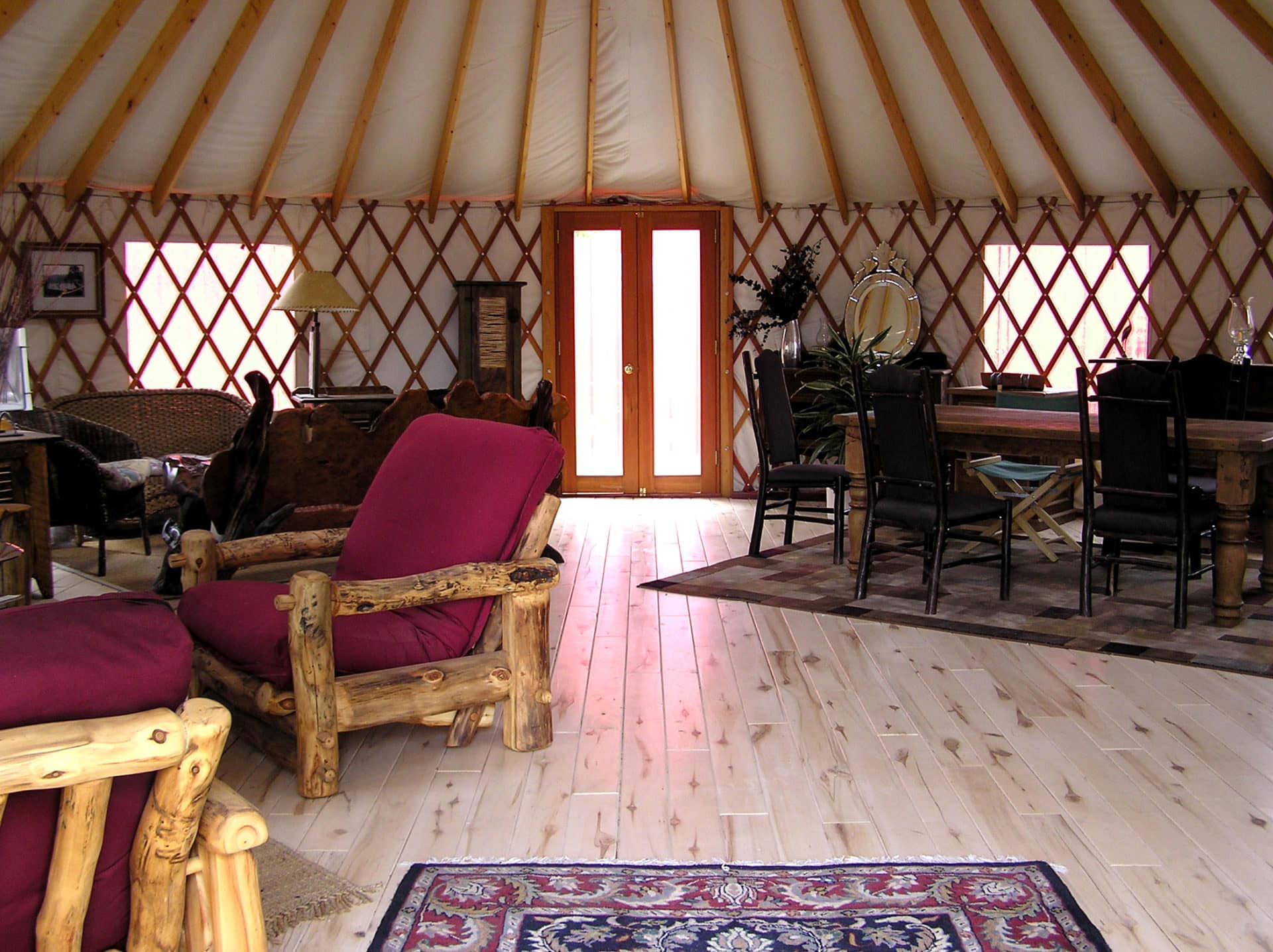
- Dome. The center dome brings in light, but warm air collects there. A dome insulation cover reduces nighttime heat loss in winter, and an operable dome lifter vents heat and moisture in summer.
- Fabric windows. Secret Creek fabric windows include bug netting and removable insulation panels, so you can close them up for winter. Rollup walls include an insulation panel too.
- Glass windows. Framed sliding windows and Douglas fir casement windows with clear low-E glass add views and better seals. The casement is large enough to meet egress code requirements.
- Doors. Weatherstrip doors carefully. Larger yurts can add a fiberglass French door, a good fit for full-time homes.
- Stovepipe. If you heat with a stove, use an insulated stovepipe flashing kit where the pipe passes through the wall or roof.
How do you keep an insulated yurt warm in winter?
Insulation slows heat loss, but you still need a heat source sized to your yurt and climate. Common choices are wood stoves, pellet stoves, propane heaters, mini-split heat pumps and radiant floor heat. A yurt typically needs more heating capacity than a framed home with the same floor area, so size the heater conservatively and get advice for your climate.
Check these winter basics too:
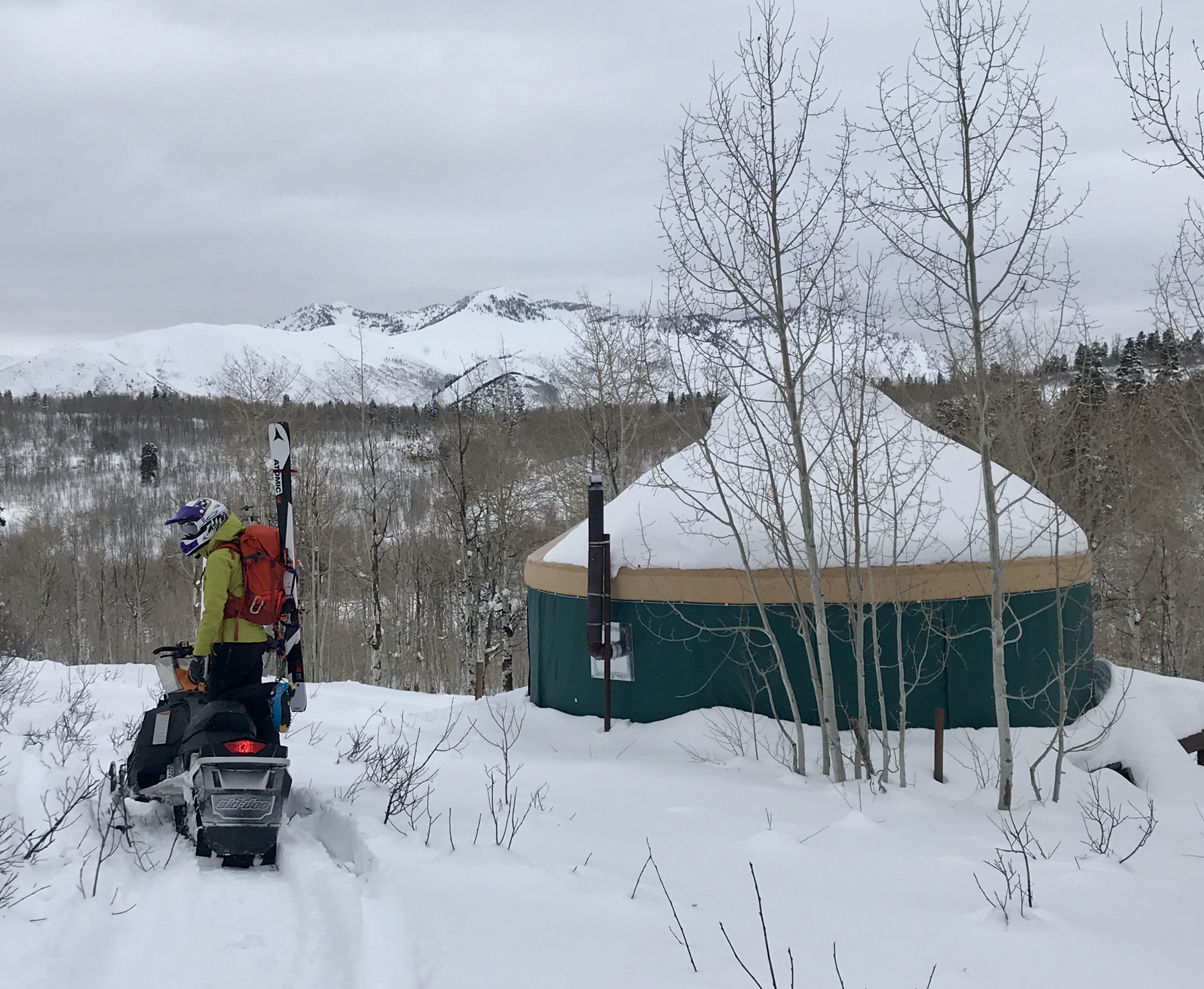
- Snow and wind loads. In snow country, add the Snow + Wind load package, which adds studs under each rafter and upgrades to 2"x6" engineered rafters.
- Ventilation and moisture. Warm, moist interior air can condense on cold surfaces. Run a ceiling fan, crack the dome occasionally, and vent bathrooms and kitchens. See Inside a Yurt for interior layouts.
- Tension and seals. A properly pitched, tensioned cover with sealed openings beats any single insulation upgrade.
For off-grid heat, power and water planning, see the off-grid yurt setup guide, and for what daily life is like through every season, read Yurt Living Year-Round.
Which insulation package should you choose?
- Define your use. Summer-only camp, three-season rental or full-time home? Full-time living and cold winters point to Prodex.
- Check code requirements. If your county asks for insulation values, the Prodex kit's R-22 wall and R-44 roof ratings help meet many energy-code requirements.
- Insulate the floor. Pick SIPs, an insulated framed deck or, for the 12', the fiber insulated deck.
- Close the top. Add a dome insulation cover and plan dome venting for summer.
- Choose openings. Fabric windows with insulation panels, or glass windows for year-round homes.
- Size heat and loads. Match the heat source to diameter and climate, and add the Snow + Wind package where needed.
Not sure which combination fits your site and budget? Configure options in the Yurt Builder, compare diameters in the yurt sizes guide, or request a consultation.
Frequently Asked Questions
Are yurts insulated?
Not by default. Insulation is a separate kit installed between the liner and the outer covers. Secret Creek in-stock packages include EcoFoil roof and wall insulation, and Prodex is available as an upgrade.
What is the best insulation for a yurt?
It depends on use. EcoFoil reflective insulation blocks up to 96% of radiant heat and suits three-season use and rentals. Prodex, rated R-22 walls and R-44 roof, is better for full-time living and cold climates.
Can you live in an insulated yurt in winter?
Yes. With roof and wall insulation, an insulated floor, a dome cover, a properly sized heat source and snow-load framing where needed, people live in yurts year-round in cold climates.
How much does it cost to insulate a yurt?
Current Yurt Builder pricing for the EcoFoil kit runs from $1,385 (12') to $4,210 (30'). The Prodex kit runs from $2,515 (12') to $8,180 (30'). Insulated platforms are priced separately.
Do you need to insulate a yurt floor?
For cold-weather use, yes. Raised platforms lose heat to the air below. SIPs (R-23) or an insulated, enclosed framed deck keep floors warmer.
Does yurt insulation help in summer?
Yes. Reflective insulation keeps solar heat from entering through the roof. Combined with an operable dome lifter, window ventilation and shade, it helps a yurt stay cooler in hot weather.
Next Steps
Ready to plan a four-season yurt? Compare materials in Ecofoil vs. Prodex, choose a size with the yurt sizes guide, download deck plans, configure insulation and windows in the Yurt Builder, or request a consultation with a Sales Guide at 970.240.2111. Secret Creek has handcrafted yurts, tipis and canvas tents since 1976.