
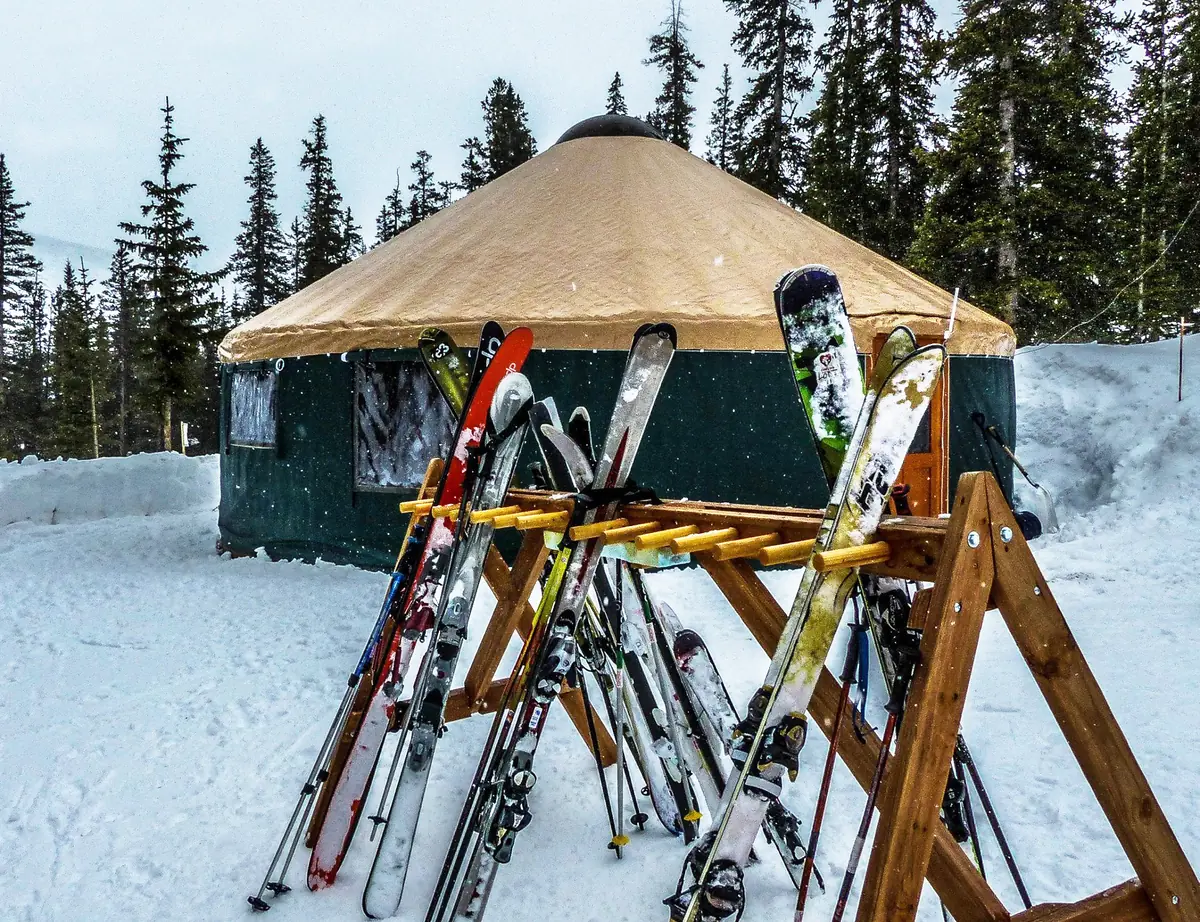
Quick answer: A yurt's snow load rating is the weight of snow its roof is engineered to carry, stated in pounds per square foot (PSF), and its wind rating is the wind speed the frame and covers are engineered to resist, stated in miles per hour (MPH). A well-engineered modern yurt is not a flimsy tent: depending on size and load package, Secret Creek yurts can be rated for snow loads up to 115 PSF and winds of 115 MPH or more (varies by model). The right rating for you depends on the design snow and wind loads your local building department requires, so ask any manufacturer for engineered numbers and drawings, not adjectives like "heavy-duty."
Winter is when buyers start asking the hard questions. Will a yurt hold up under a deep snowpack? What happens in a windstorm? Can a round fabric structure really pass a building inspection? This guide explains how snow and wind ratings work, what actually makes a yurt strong, how load packages change the frame, and exactly what to ask a manufacturer before you buy.
What Does a Yurt Snow Load Rating Mean?
A snow load rating tells you how much weight, spread across the roof, the structure is engineered to support. It is expressed in pounds per square foot. A 40 PSF rating means every square foot of roof can carry 40 pounds of snow; a 100 PSF rating can carry two and a half times that.
Snow weight varies enormously. Light, fresh powder weighs far less than the same depth of wet, settled spring snow or ice. That is why engineers and building departments talk in pounds, not inches. A foot of fluffy snow and a foot of wet snow can put very different loads on a roof.
Two terms show up on permit paperwork:
- Ground snow load is the snow weight expected on the ground at your site, based on local climate data. Your building department publishes or confirms this number for your address.
- Roof snow load is the design load the roof itself must carry after adjustments for roof slope, exposure, temperature and drifting. This is the figure an engineer compares against the yurt's rated capacity.
When a manufacturer quotes a snow rating, ask which one they mean and whether it is backed by engineering calculations for the exact size and configuration you are buying.
What Does a Yurt Wind Rating Mean?
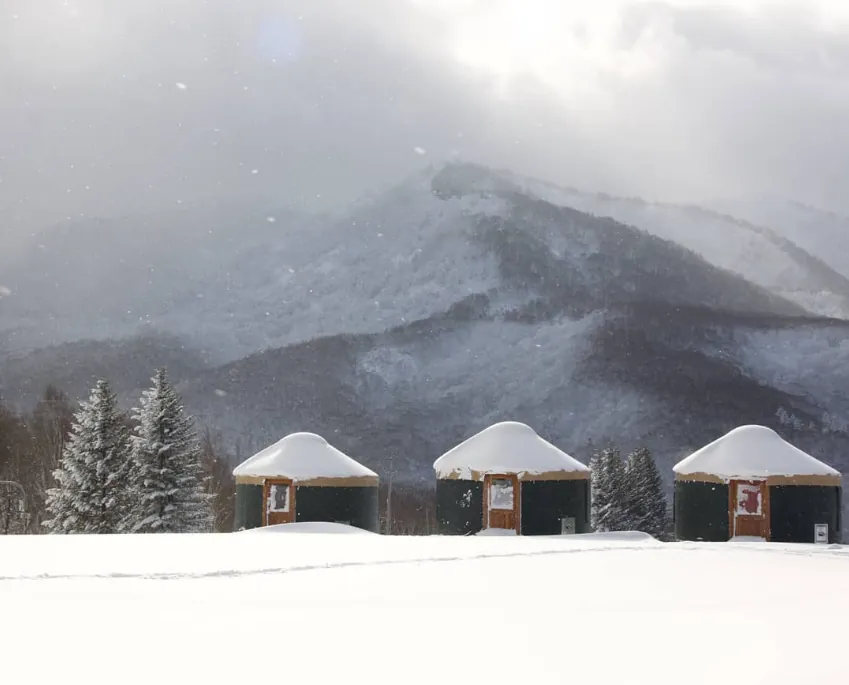
A wind rating is the wind speed the structure is engineered to resist without failure of the frame, covers or tie-downs. Building codes generally express design wind as a gust speed for your location, and the engineer adjusts for how exposed the site is. An open ridge, shoreline or prairie sees much higher wind pressure than a site sheltered by trees and terrain.
Wind acts on a yurt in three ways:
- Lateral pressure pushes against the wall on the windward side.
- Uplift pulls on the roof as wind flows over it, trying to lift the roof and the whole structure.
- Racking tries to twist and distort the frame.
The round shape helps. Wind flows around a yurt instead of slamming into a flat wall, and a cone roof presents a low profile. But aerodynamics only go so far. The rating ultimately depends on rafter size, how rafters connect to the ring and wall, how the covers are tensioned, and how the yurt is fastened to its platform.
How Is a Yurt Engineered for Snow and Wind?
A yurt carries load through a simple, efficient system. Rafters run from the top of the lattice wall up to a center compression ring. Snow pressing down on the roof pushes the rafters outward at the wall, and a tension cable around the top of the wall holds that outward thrust in check. The lattice wall carries the weight down to the platform, and the platform carries it to the ground.
That means every link in the chain matters:
- Rafters: Deeper rafters resist bending under heavy snow. Moving from 2x4 to 2x6 rafters is one of the biggest upgrades for snow country.
- Rafter support: Adding studs under each rafter at the wall stiffens the connection against wind and heavy load.
- Center ring and connections: The ring and its brackets must handle the combined push of every rafter.
- Wall and tension cable: The lattice and cable keep the roof from spreading.
- Covers: Tight, properly tensioned fabric sheds snow and avoids flapping that wears covers in wind.
- Platform and anchoring: The deck must be engineered for the same loads, and the yurt must be fastened to it to resist uplift. See our guide to yurt platforms and foundations.
Material quality underpins all of it. Secret Creek frames use kiln-dried solid wood with mortise-and-tenon joinery in the lattice and rafters, wrapped in marine-grade architectural fabric. Our article on what yurts are made of covers each component in detail.
What Are Yurt Load Packages?
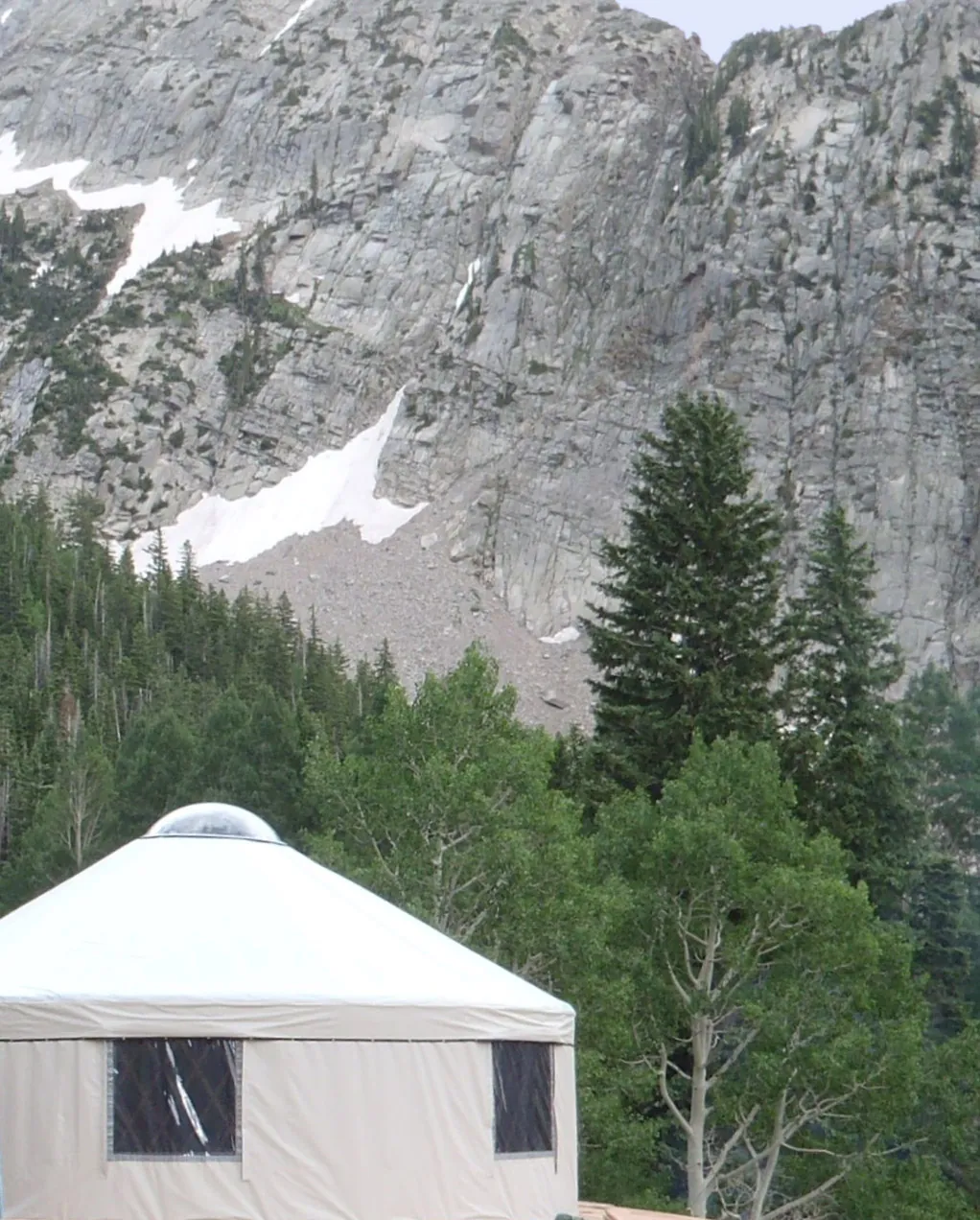
Most buyers do not need the strongest possible frame, and paying for one you do not need wastes money. That is why Secret Creek offers load packages in the Yurt Builder, so the frame matches your climate:
| Load package | What changes in the frame | Typical fit |
|---|---|---|
| Base | Base engineered yurt with 2x4 rafters and brackets connecting each rafter to the ring | Milder climates with modest snow and wind |
| Wind | Base package plus 2x4 studs under each rafter | Open, exposed or gusty sites with modest snow |
| Snow + Wind | Base package plus 2x4 studs under each rafter and an upgrade to 2x6 engineered rafters | Heavy-snow regions, high elevation and year-round living |
On our pre-configured yurt kits, the snow and wind kit is included on the 24-foot, 27-foot and 30-foot sizes. Larger diameters have longer rafter spans and more roof area to carry, so they benefit most from the stronger frame. If you live somewhere with corrosive salt air or high humidity, the stainless steel hardware upgrade is also worth adding.
How Strong Are Yurts Compared to Other Structures?
People are often surprised that an engineered yurt can be rated for loads in the same range many conventional buildings are designed for. With the right load package and size, Secret Creek yurts can be rated for up to 115 PSF of snow and 115 MPH or more of wind, and we provide engineered drawings to support permitting. Real-world performance backs up the numbers: owners have dug out yurts with the full snow and wind package that were completely buried in snow and found them standing intact.
A few honest caveats:
- Ratings vary by size and configuration. A rating quoted for one diameter does not automatically apply to another.
- A yurt is only as strong as its installation. Loose covers, a missing tension cable or an under-built deck reduce real-world capacity.
- Extreme sites still call for smart habits, like clearing heavy accumulations during prolonged storms.

Are Yurts Safe in Storms?
A properly engineered, correctly installed yurt rated for your site's design loads is a safe, durable shelter in winter storms and high winds. Safety comes from matching the rating to the site, not from the yurt label alone. To stay safe through storm season:
- Confirm the rating meets local requirements before you build, using your building department's design snow and wind loads.
- Keep covers tensioned. Check tension at the start of each season and after big wind events.
- Inspect the tension cable and connections once a year.
- Keep the dome and stovepipe clear of heavy snow, and follow safe venting practice for heating. Our yurt wood stove guide covers clearances and venting.
- Clear excessive buildup on lower-rated yurts during long storms, working carefully from the ground with a soft roof rake.
- Close windows and doors and secure loose items on the deck ahead of high winds.
Comfort matters in winter too. Pair a strong frame with our yurt insulation options for four-season use.
What Rating Do You Need for Your Location?
Your building department sets the design loads, not the manufacturer. The process looks like this:
- Call your county or city building department and ask for the design ground snow load and design wind speed for your parcel, plus any elevation adjustments.
- Ask whether a yurt needs a building permit for your intended use, such as a backyard studio, guest unit, full-time home or glamping site.
- Share those numbers with your manufacturer and confirm the size and load package you are considering meets or exceeds them.
- Request engineered drawings for that exact configuration to submit with your permit application.
- Design the platform to the same loads. Our free yurt deck plans are a starting point for your builder or engineer.
If you are unsure which size to choose, our yurt sizes guide compares floor areas from 12 feet (113 sq ft) to 30 feet (706 sq ft).
What Should You Ask a Yurt Manufacturer About Snow and Wind?
Use these questions to compare companies on substance rather than marketing language:
- What are the engineered snow load (PSF) and wind (MPH) ratings for the exact diameter and package I am buying?
- Are those ratings backed by engineering calculations, and can you provide engineered drawings for my permit?
- What exactly changes in the frame between your standard and upgraded load packages?
- How is the yurt anchored to the platform to resist uplift?
- What platform design do you recommend for my loads?
- What fabric do you use, and what is the fabric warranty?
- Do you offer corrosion-resistant hardware for coastal or humid sites?
- How many yurts have you built for climates like mine?
For a broader checklist that covers materials, warranties and lead times, see how to choose a yurt company. Secret Creek has handcrafted yurts since 1976 and has delivered more than 14,000 structures across all 50 states and 39 countries, so we have built for nearly every climate.
Frequently Asked Questions
How much snow can a yurt hold?
It depends on the engineered rating for the size and load package. Depending on size and package, Secret Creek yurts can be rated for snow loads up to 115 pounds per square foot (varies by model). Snow weight, not depth, is what matters, because wet snow is much heavier than powder.
What wind speed can a yurt withstand?
An engineered yurt with the right package can be rated for winds of 115 miles per hour or more, depending on model. Real-world performance also depends on cover tension and on how securely the yurt is anchored to an engineered platform.
Are yurts safe in storms?
Yes, when the yurt's ratings meet or exceed the design snow and wind loads for your site and it is installed correctly. Keep covers tensioned, check the tension cable and connections, and clear excessive snow during long storms.
Do I need a snow and wind package?
If your site gets heavy snow, sits at high elevation, is exposed to strong wind or will be lived in year-round, a snow and wind package is the safe choice. The snow and wind kit is included on Secret Creek 24-foot, 27-foot and 30-foot yurt kits.
Can a yurt pass a building permit inspection?
In many jurisdictions, yes. The key is a configuration rated for your local design loads plus engineered drawings to submit with the application. Requirements vary by location, so check with your local building department first.
Should I shovel snow off my yurt roof?
A yurt rated for your local snow load generally does not need routine clearing, and the cone roof helps shed snow. During unusually long or heavy storms, especially on lower-rated yurts, carefully clear buildup from the ground with a soft roof rake and keep the dome and stovepipe clear.
Next Steps
Ready to size a yurt for your climate? Choose your diameter and load package in the Yurt Builder, compare the pre-configured yurt kits, read our yurt FAQ, or request a consultation with a Sales Guide at 970.240.2111 to confirm the right rating and engineered drawings for your site.